White House Orders AI Firms to Share Energy Profits With Neighbors
The administration is pressuring data center developers to offset local utility bills by selling surplus power back to the grid, a move aimed at curbing community resistance.
By Camila Rodriguez ·
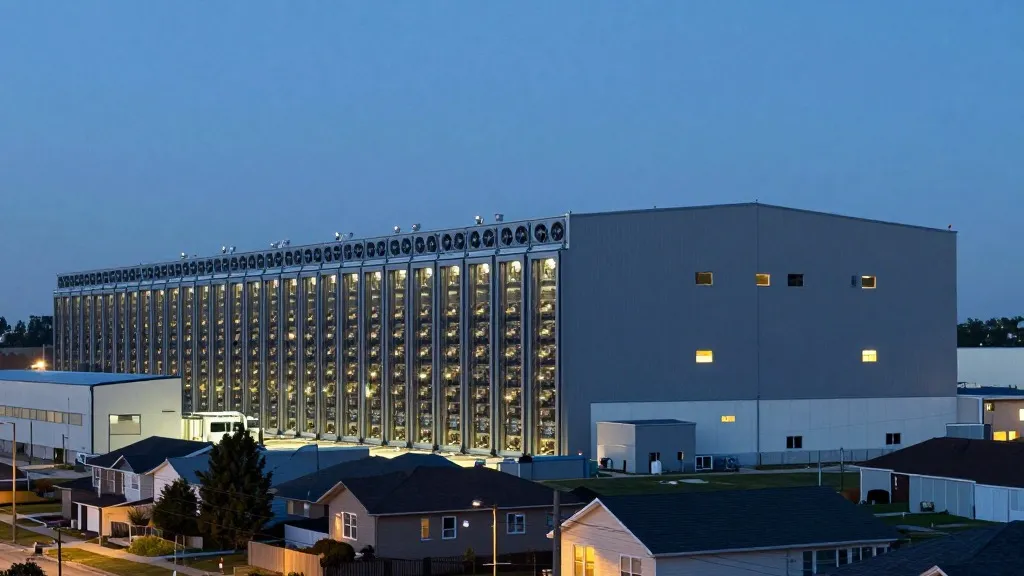
President Donald Trump has formally demanded that major artificial intelligence data center operators provide financial and energy-based dividends to the local communities hosting their facilities. In a statement released today, the President outlined a strategy to make these massive infrastructure projects more acceptable to residents by ensuring they do not drive up local electricity prices. The core of the mandate requires these companies to not only generate their own power but also to feed excess energy back to the local grid, effectively subsidizing the cost of electricity for nearby households.
This announcement arrives amid growing friction between tech giants and the towns hosting their server farms. Residents across the United States have increasingly protested the presence of AI data centers, citing a host of environmental and economic burdens. Complaints typically center on rising utility bills, persistent noise from cooling systems, and significant strain on local water supplies. The administration is moving to address these grievances before they stall the country's rapid expansion in artificial intelligence capabilities.
The timeline of this policy shift reflects a broader effort to balance national technological goals with local political realities. For months, local governments have faced pressure from constituents who feel the costs of the AI boom are being borne by their tax dollars and utility rates. The White House has previously directed these companies to become self-sufficient in power generation. Today's directive adds a new layer to that requirement, linking the companies' energy output directly to the financial well-being of their neighbors.
The administration is keen to maintain its lead in the global AI race against China, but it recognizes that political opposition in key states could slow construction. By framing the energy sharing as a "dividend," the White House hopes to transform data centers from unpopular industrial facilities into community partners. The mechanism is straightforward: if a data center generates more electricity than it needs, that surplus should be sold or given to the local community to lower their bills.
This approach complements a recently passed act requiring data centers to cover the costs of necessary grid upgrades. Previously, these infrastructure improvements were often funded by local taxes, a burden that contributed to the backlash. By shifting these costs to the companies, the administration aims to insulate local budgets from the high price of expanding the electrical grid to handle massive computing loads.
President Trump emphasized the economic incentive in his post, noting that data centers that were once viewed with suspicion became popular once a financial agreement was reached. "Data Centers that were highly unpopular in a certain area have become extremely popular when a financial deal is struck," he wrote. He urged developers to "MAKE DEALS, and get them built!!!" signaling a preference for voluntary, profit-sharing arrangements over rigid regulatory frameworks, though the term "mandate" implies a stronger push for compliance.
Looking ahead, the success of this policy will depend on how strictly it is enforced and whether the financial benefits are substantial enough to outweigh other drawbacks. While lower electricity bills may appease some residents, other issues such as water consumption and air pollution remain unresolved. The next phase will likely involve negotiations between hyperscalers and local municipalities to define exactly what constitutes a fair "dividend." For now, the message from Washington is clear: the AI boom must benefit the people living next to the servers.
Analysts and local officials will be watching closely to see if this energy-sharing model becomes a standard requirement for new projects. If successful, it could set a precedent for how other large-scale industrial projects interact with their surrounding communities. The administration hopes this move will accelerate construction timelines by reducing the political hurdles that have delayed several major projects in recent months.
Source: Tom's Hardware