Amazon Abandons Virginia Data Center Ambitions Amid Local Resistance
The tech giant will convert a 122-acre site into housing and a community arts center after residents voiced concerns over noise and energy demands.
By Chinedu Okafor ·
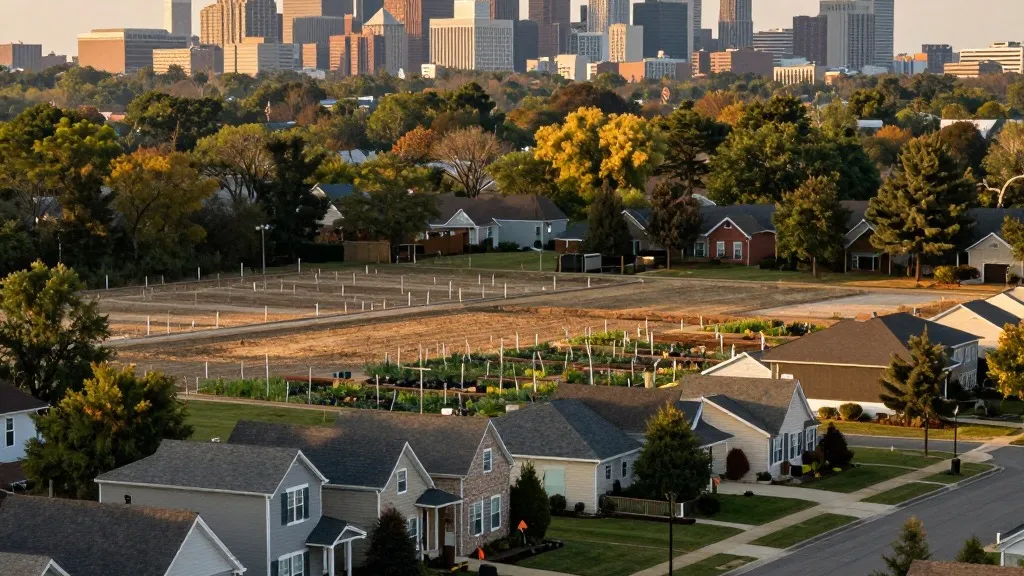
Residents of Loudoun County, Virginia, will soon see a significant shift in their local landscape. Instead of four new, massive data center facilities rising on the former George Washington University campus, the majority of the 122-acre site will be developed for mixed-use and residential purposes. For locals, this means the arrival of new homes and public spaces rather than the industrial infrastructure associated with cloud computing. Additionally, Amazon has agreed to donate 25 acres of the property to the county, specifically for the construction of a community arts center and a new recreational facility. To further sweeten the deal, the company will contribute $5 million to the county’s housing fund.
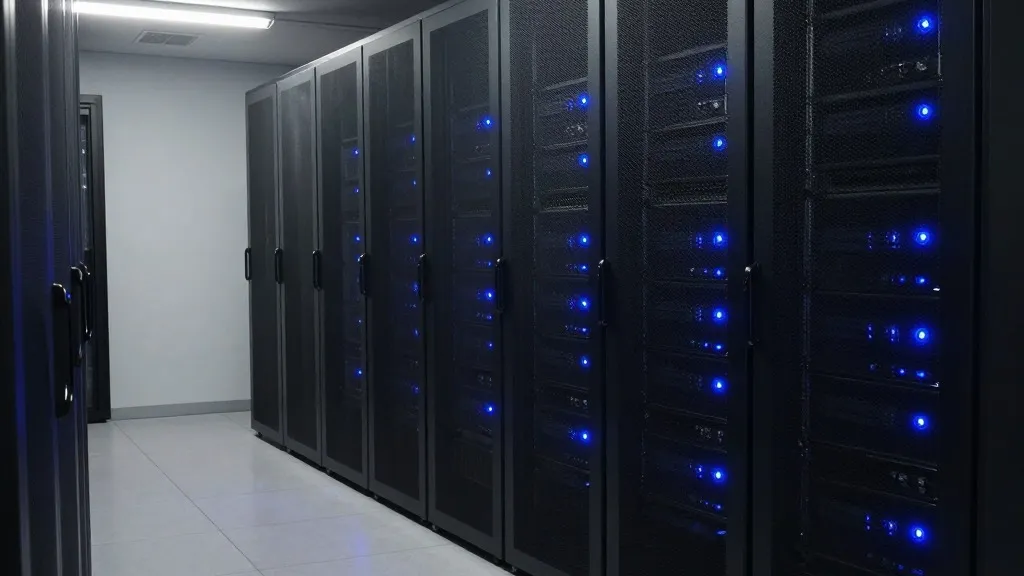
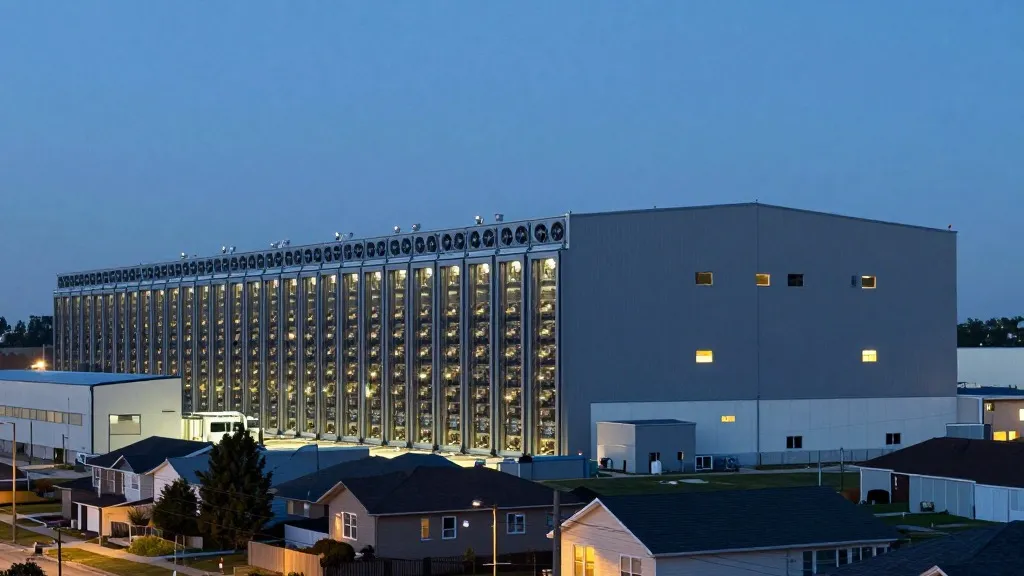
This decision represents a notable pivot for Amazon, which initially proposed the data center buildout in July of this year. The site is located in a region often referred to as "Data Center Alley" due to its high concentration of such facilities. However, the company’s plans faced stiff resistance from the community. Residents expressed deep concerns regarding the noise pollution generated by the servers and the substantial amount of electricity required to keep them running. These local grievances appear to have influenced the county’s stance, leading to a change in approach regarding new data center projects.
In September, Amazon officials met with Phyllis J. Randall, the Chair of the Loudoun County Board of Supervisors. During these discussions, the county suggested that the land might be better suited for alternative uses. Josh Weissman, Amazon’s vice president for data center development, acknowledged that the company had been eager to secure the former university campus when the opportunity first arose. However, he noted that the company took the county’s "pointed concerns" about development at that specific site seriously.
Weissman stated that while Amazon viewed the property’s legal development potential differently than the county did, they decided that a shared vision was preferable to potential legal battles. "We concluded that the best outcome for all is to come together on a shared vision for this campus rather than engage in costly litigation," Weissman said. This collaborative resolution avoids a protracted dispute over zoning and usage rights.
The broader context for this reversal lies in the rapid expansion of artificial intelligence. The growing demand for AI services has driven a surge in the need for larger data centers. This boom has heightened scrutiny on how these facilities impact local communities, particularly regarding electricity prices and resource usage. In response to these pressures, federal leaders have begun to intervene. President Donald Trump recently called for data center builders and AI hyperscalers to provide a dividend to local communities to offset energy-related price increases. He also suggested that these facilities should generate their own power and sell any excess energy back to the grid.
Local officials in Loudoun County are framing this agreement as a success of negotiation over conflict. Chair Randall stated, "By choosing dialogue over reflexive disagreement, Loudoun County and Amazon created an opportunity for the County." She emphasized that the new arrangement provides spaces for residents to gather and play, while also making more attainable homes available for working families.
Despite the official optimism, questions remain about the long-term implications for the region’s energy infrastructure. Critics argue that the local power grid is already under significant strain, with frequent outages reported in Northern Virginia. Some residents contend that adding more power-hungry facilities was mathematically impossible without new transmission lines or power plants. The swap of data centers for luxury housing raises questions about whether this is a genuine community benefit or merely a substitution of one high-demand use for another.
Furthermore, the decision highlights the tension between global tech expansion and local environmental concerns. Issues such as water shortages and deforestation are increasingly cited by communities hosting these facilities. As Amazon retracts from this specific site, it leaves open the question of where the next wave of AI infrastructure will be built, and how communities will balance the economic benefits of tech growth against the local costs of hosting it.
The repurposing of the GW campus also serves as a case study in how local pushback can alter corporate plans in one of the world’s busiest tech hubs. By securing a donation of land and a financial contribution, Loudoun County has extracted tangible benefits from the deal. Yet, for residents who were worried about the strain on their power grid, the absence of new data centers may be seen not just as a community win, but as a necessary correction to a region that was nearing its energy capacity.
Source: Tom's Hardware